Three stores, three very different buying decisions: an emotional purchase for a pet, a considered luxury gift, and a technical product bought by IT teams. The design work here was understanding how each person decides, then removing what stood in the way.
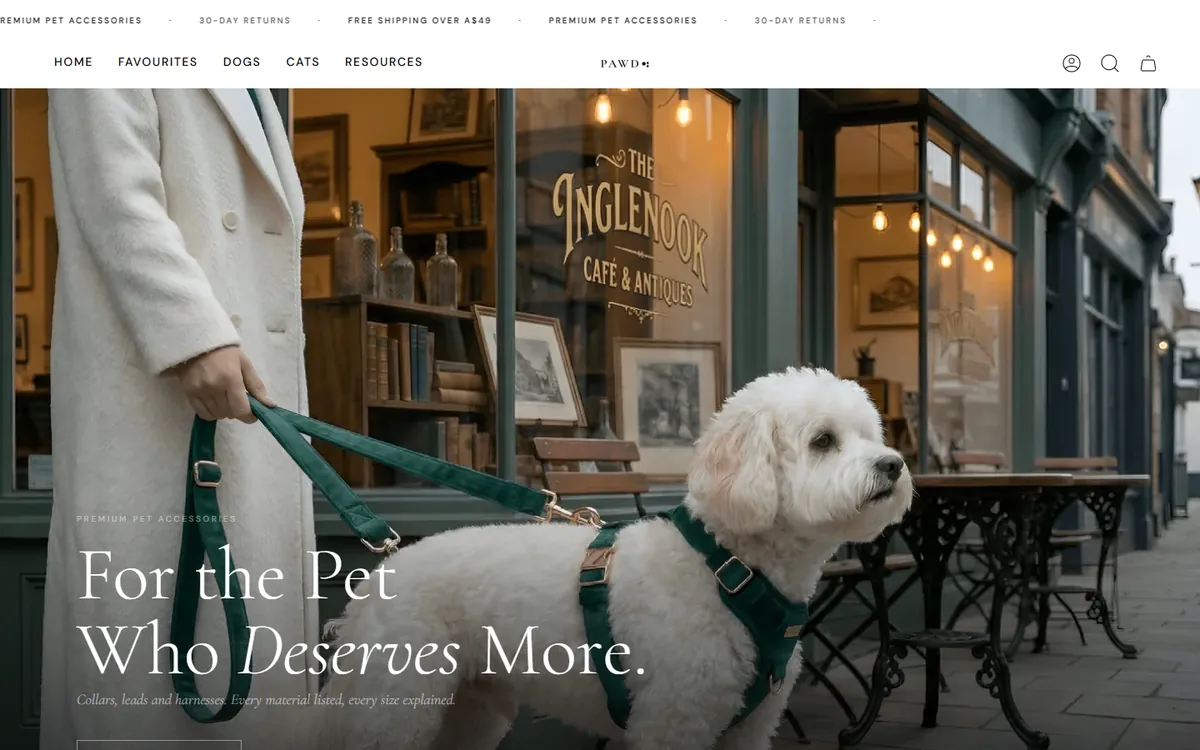
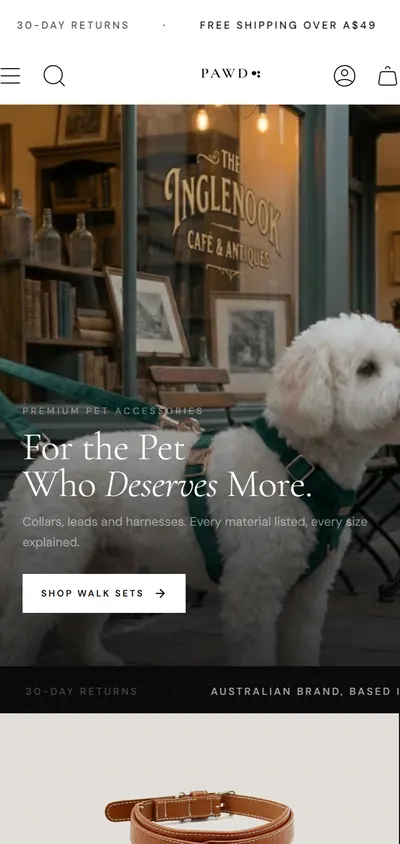
Pawd sells collars, leads, harnesses and beds designed in Sydney. The whole brand rests on honesty: every material stated plainly and every size guide written from scratch. The store needed to feel premium without hiding the details people check before they buy.
Key decisions
Organised the shop around moments (Walk, Play, Sleep, Carry) rather than product types, because owners shop for an outing, not a category.
Bundled collar, lead and bag holder into walk sets, turning three decisions into one and lifting what a single order can hold.
Stated materials and sizing plainly, because trust is the whole brand and premium pricing has to be justified on the page.
Kept free shipping and 30-day returns visible everywhere, answering the two objections that stop a first order.
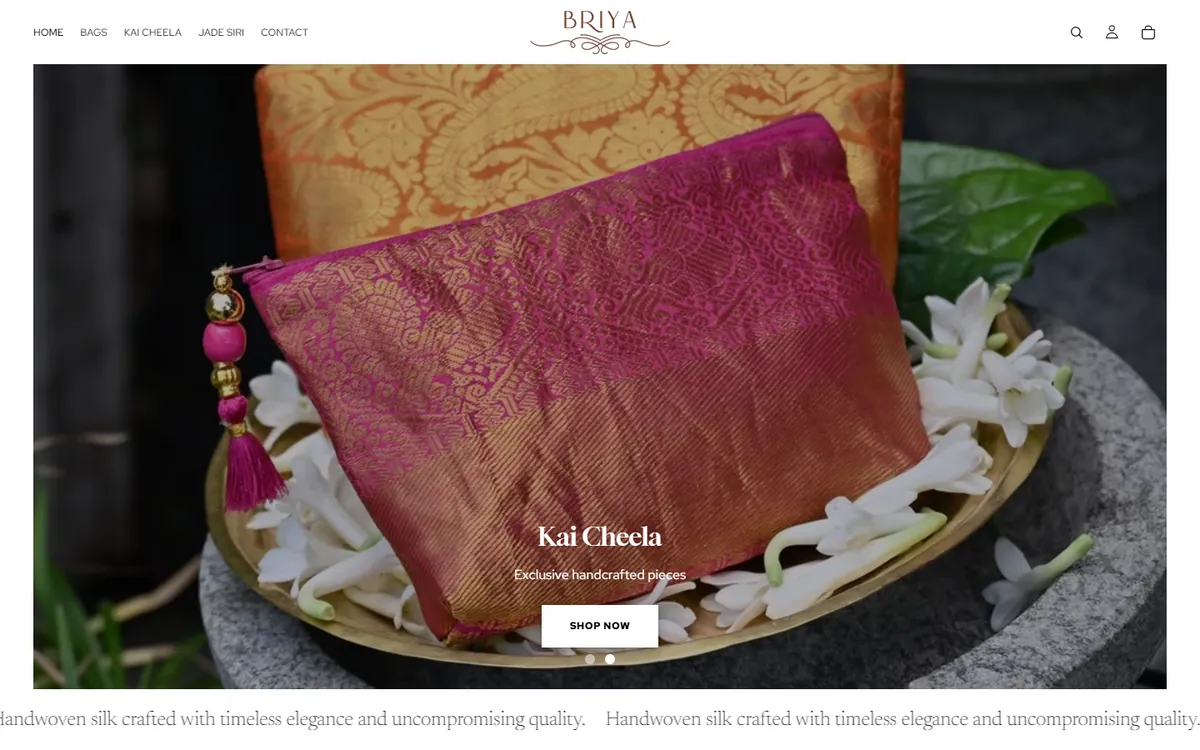
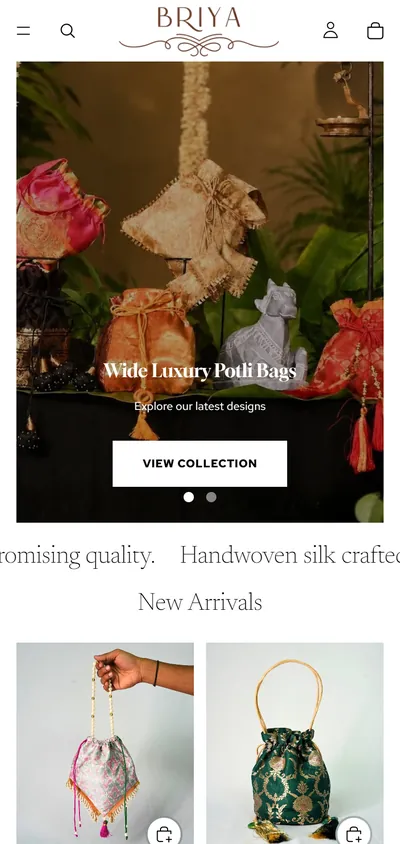
Briya makes luxury potli bags from pure handloom Kanchipuram silk, each one finished by hand by women artisans. Founder Bhavya Byregowda wanted a store that feels like the bags themselves: quiet, rich and unhurried.
Key decisions
Named every bag (Medha, Navilu, Raja Hamsa) instead of using product codes, so a handmade piece reads as a story rather than stock.
Led with size, because the first real question for a potli is what it needs to hold and where it will be carried.
Set a slow, quiet pace across the store, so the experience matches the craft and supports a luxury price.
Shaped a custom Shopify theme around the brand, so the team can run collections without a developer.
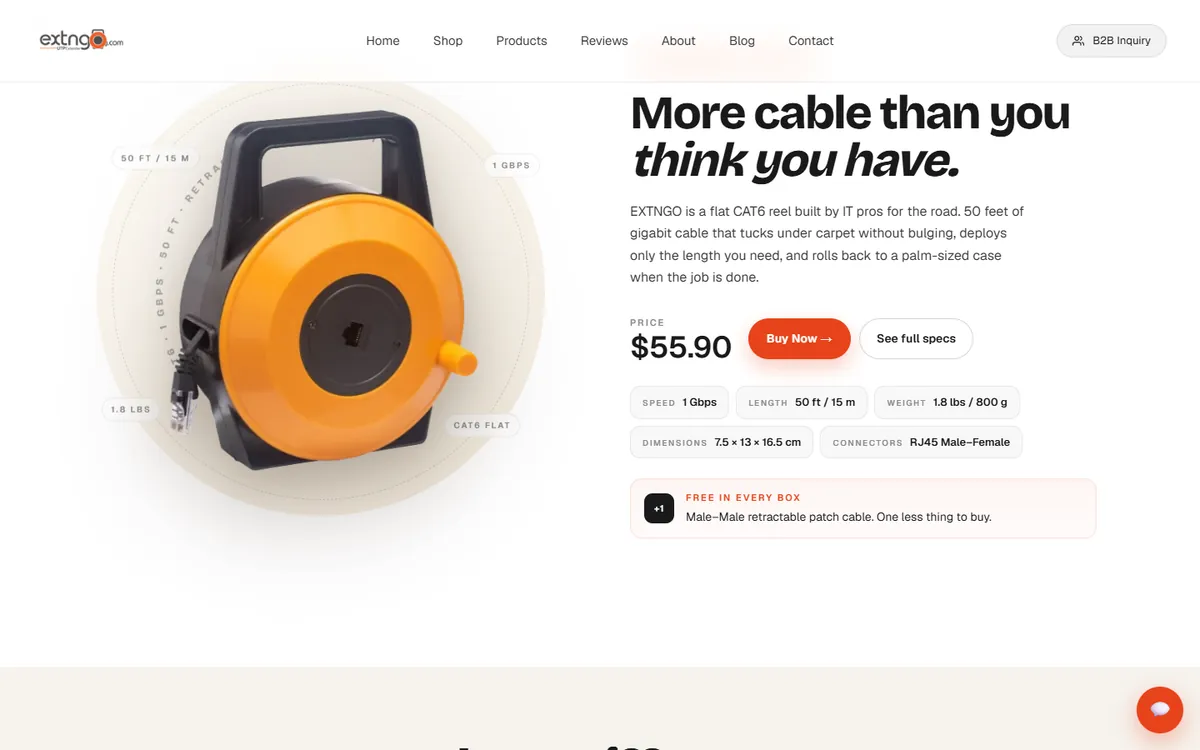
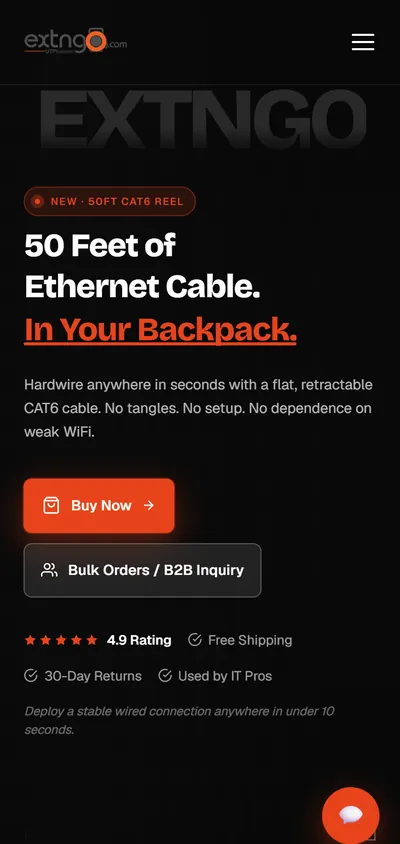
Extngo makes a flat, retractable CAT6 reel: 50 feet of gigabit Ethernet that fits in a backpack. Its buyers are IT pros, AV installers and field teams, so the site has to explain a technical product fast and serve both single orders and bulk buyers.
Key decisions
Put a side-by-side comparison front and centre, because technical buyers want speed, length and weight, not persuasion.
Split the journey from the first screen: Buy Now for individuals and a B2B enquiry for teams, so neither is slowed down by the other.
Sold through situations (server rooms, stage floors, vehicle diagnostics), so a buyer can see their own job in the product.
Used a fast storefront over Shopify, keeping a technical audience on the page while the store stays easy to run.
For an export client, I built a Shopify product template that takes enquiries instead of orders. It uses sections and theme blocks with no JavaScript, so the client can rearrange it in the Theme Editor without a developer.
The variant price bug
Prices weren’t updating when shoppers switched variants. I traced it to a global listener in the theme’s web components and fixed it by changing one attribute.
Let’s build your next site
Hiring for Web Dev, UI/UX, Branding, SEO + AEO + GEO or a product role? Tell me about it.